Hemon
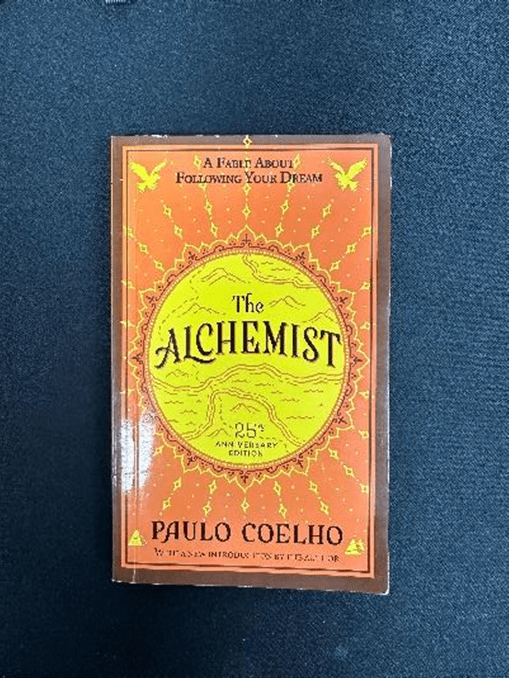
“The Alchemist” is a novel written by Brazilian author Paulo Coelho. Originally published in Portuguese in 1988, the book has been translated into numerous languages and has become a global bestseller. Here’s an analysis of the title and its significance:
- The symbolism of the Title:
- Alchemist: An alchemist is traditionally someone who practices alchemy, a medieval philosophical and proto scientific tradition. Alchemy often involved the quest to transform base metals into gold and discover the elixir of life. In a metaphorical sense, the title suggests a transformative journey or quest for something precious and profound.
- Alchemy as a Metaphor:
- The novel uses alchemy as a metaphor for personal transformation and self-discovery. Santiago, the protagonist, undergoes a journey of self-discovery and spiritual awakening as he pursues his dreams and follows his personal legend.
- The Personal Legend:
- The concept of the “Personal Legend” is central to the novel. It refers to one’s destiny or the path that an individual is meant to follow. The alchemist in the story serves as a guide to help Santiago discover and fulfill his Personal Legend.
- Universal Themes:
- The title conveys a sense of universality. Alchemy, as a theme, is not limited to a specific culture or time period. It resonates with the universal human experience of seeking meaning, purpose, and self-discovery.
- Spiritual and Philosophical Exploration:
- “The Alchemist” explores spiritual and philosophical themes, emphasizing the interconnectedness of all things and the importance of pursuing one’s dreams. The title reflects the mystical and spiritual nature of the journey Santiago undertakes.
- Alchemy in Literature:
- The use of alchemy in literature often signifies a search for deeper meaning, transformation, and the pursuit of higher knowledge. In this case, it represents the protagonist’s quest for his “Personal Legend.”
In summary, “The Alchemist” as a title encapsulates the novel’s core themes of personal transformation, the pursuit of one’s destiny, and the mystical journey of self-discovery. The use of alchemy as a metaphor adds layers of symbolism and universality to the narrative, contributing to the novel’s enduring popularity and widespread acclaim.


 myHUBS
Leave a comment